

AI AGENT TRENDS
What is knowledge base and how to create one for your AI agent
Understanding a Knowledge Base System
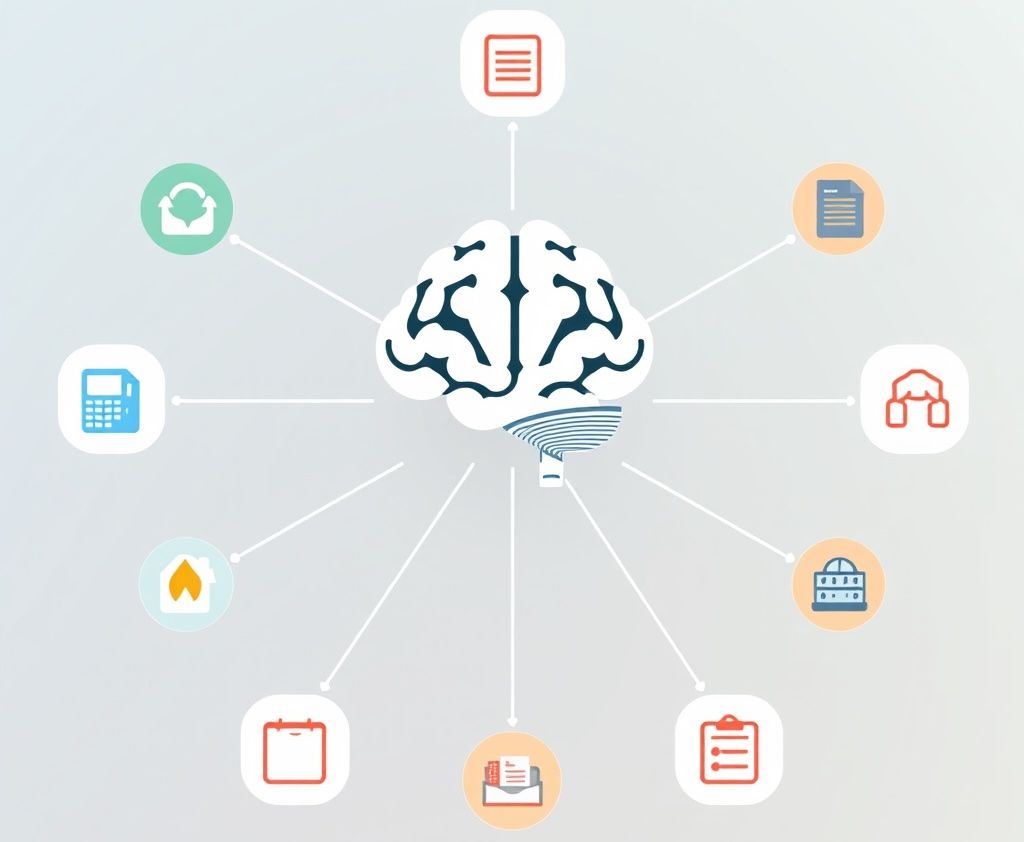
A knowledge base is a centralized hub that helps to effectively arrange and oversee information. It acts as an essential resource for both individuals and companies today, especially when navigating the overwhelming amounts of data we encounter regularly. 📚✨
At its essence, a knowledge base goes beyond merely storing data. It is an interactive tool that converts disorganized information into useful insights. Picture having immediate access to organized knowledge that enables you to make smart choices and tackle complex issues with ease.
For customer support teams, this means quickly finding answers to frequent questions. For business owners, it simplifies internal workflows, boosting efficiency and output.
In this article, we will dive into knowledge base, and check its advantages, features, and different varieties. We’ll also provide practical tips and methods for developing and sustaining an effective knowledge base tailored to your unique requirements.
Whether you're a tech enthusiast or just eager to learn more, come along on this informative journey. Uncover how a knowledge base system can transform the way you retrieve and use information, enhancing your productivity, improving customer satisfaction, and keeping you competitive in your field. 🚀📈
Key Functions and Goals of a Knowledge Base System
The goal of a knowledge base system is to simplify how information is managed and accessed. It allows users to quickly find relevant details without having to sift through multiple sources or reach out to specialists directly.
By presenting knowledge in an organized and searchable manner, these systems enable users to discover answers, address challenges, and make informed choices effectively. 🗂️🔍
How a Knowledge Base System Enhances Information Management
A knowledge base system improves information management by organizing data in a structured way. It uses categories, tags, and keywords to classify information, making it easy to find. This organized method ensures that knowledge is logically stored, which simplifies navigation and retrieval for users.
Additionally, these systems often include features like version control, content management, and powerful search functions. Version control keeps track of changes made to articles, ensuring that users always access the latest information.
Content management tools allow administrators to create, modify, and update knowledge articles, keeping the knowledge base accurate and relevant. 📂🔑
How a Knowledge Base System Streamlines Information Retrieval
Information retrieval is made easier in a knowledge base system thanks to its effective search features. Users can enter keywords, phrases, or questions into a search bar to find relevant articles. The system uses algorithms to connect the user's query with the most appropriate content, taking into account factors like relevance, popularity, and how recent the information is.
Beyond basic search functions, knowledge base systems often provide additional tools such as filters, suggested articles, and related content. Filters enable users to narrow down results based on specific criteria like date, category, or type of article.
Suggested articles present users with extra resources or topics that might interest them. Related articles show content closely associated with what the user is currently reading, making it easy to explore further. 🔍📄
Applications of Knowledge-Based Systems
Knowledge-based systems are utilized across numerous industries and organizations to gather, store, and retrieve information. These systems aim to replicate human expertise, giving users access to relevant knowledge that aids in making informed decisions and addressing complex challenges.
A key component of a knowledge base system is ensuring information accessibility and security. Access control, permissions, and user roles are essential for managing who can view or modify information within the system. Let’s take a closer look at each of these elements: 🔐📊
Knowledge-Based Systems and AI Agents
In the field of knowledge management, knowledge-based systems are crucial for organizing, storing, and retrieving information. These systems utilize artificial intelligence (AI) to enhance decision-making and problem-solving in diverse industries. A significant trend in these systems is the incorporation of AI-driven recommendations. 🤖💡
Improving User Experiences with Tailored Suggestions
AI-driven recommendations utilize advanced algorithms to assess user behavior, preferences, and past interactions. These algorithms deliver personalized suggestions that greatly enhance user experiences and outcomes. For example, in e-commerce platforms, AI recommendations assist customers in finding relevant products and services by analyzing previous purchases, browsing habits, and user feedback. 🛒✨
Knowledge Graphs: A Comprehensive Data Representation
Another exciting advancement is the use of knowledge graphs. These graphs provide a robust way to represent interconnected data, highlighting relationships and dependencies among various entities. Knowledge base systems gain from this structured method, offering a more thorough understanding of specific topics. 🌐📊
Context-Aware Information Delivery
Additionally, knowledge graphs allow systems to grasp context and provide context-aware information. By integrating semantic relationships and contextual data, these systems can deliver more relevant and accurate results. For instance, in the financial industry, a knowledge base system might utilize a knowledge graph to understand the connections between investment products, market trends, and risk profiles, enabling it to offer tailored investment recommendations. 💼📈
Advantages of Knowledge-Based Systems
Efficient Knowledge Storage:
Knowledge-based systems serve as a centralized hub for storing large volumes of information. By systematically organizing data, they make it easy to retrieve and share knowledge, removing the hassle of searching through disorganized documents or relying on memory alone.
Knowledge Preservation:
These systems help organizations retain valuable knowledge that could be lost due to employee turnover or retirement. By capturing expert insights, knowledge-based systems ensure that essential information remains accessible even when key personnel are no longer around.
Consistency and Standardization:
Knowledge-based systems allow organizations to create and enforce standardized procedures, best practices, and guidelines. This promotes consistency in decision-making, minimizes dependence on individual judgment, and enhances overall efficiency and quality.
Decision Support:
These systems provide decision support by offering recommendations, suggestions, or forecasts based on existing knowledge. This aids users in making informed choices, tackling complex issues, and automating specific tasks.
Scalability:
Knowledge-based systems are designed to scale effectively, enabling organizations to manage growing amounts of information and accommodate an expanding user base. As the knowledge base grows, these systems can adapt efficiently to meet the evolving needs of the organization. 📈🌟

Why AI-Based Knowledge Base Systems Like AgentX Are More Effective and Convenient
AI-driven knowledge base systems, like AgentX, provide greater utility and convenience than traditional systems. They utilize artificial intelligence and natural language processing to deliver advanced features and overcome many of the limitations found in conventional systems. 🤖✨
Automated Knowledge Extraction:
AI-driven systems can automatically gather information from multiple sources, reducing the need for manual data collection and saving both time and effort.
Natural Language Processing:
Platform like AgentX can comprehend and process natural language, making user interactions easier and eliminating the requirement for complicated query languages.
Intelligent Search and Retrieval:
These systems utilize advanced search algorithms to deliver more precise and relevant results, streamlining the knowledge retrieval process.
Machine Learning and Continuous Improvement:
AI-based systems harness machine learning to learn from user interactions, feedback, and usage trends, ensuring that the knowledge base stays current and applicable.
Integration with Other popular softwares and tools:
These systems can connect with other AI tools, such as chatbots or virtual assistants, creating a smooth user experience across different platforms. 🌐🤝
How AgentX Transformed Company’s Knowledge Base System With AI Agent Technology
Case Study: Our Client’s Journey with AgentX's Knowledge Base System
Our client, a leading company recognized for its innovative products, faced increasing operational complexity and a surge in customer inquiries. This created challenges for their support team in providing timely and accurate responses, leading to frustration for both employees and customers.
Implementing AgentX's Knowledge Base System:
Understanding the need for a solution to improve internal knowledge management and support processes, our client sought ways to boost productivity and enhance customer service. Their search led them to AgentX's Knowledge Base System, which showed great promise.
The Turning Point: The AI-Powered knowledge management and chat
During the implementation phase, our client realized the potential of AgentX's system. A key feature was the advanced chatbot powered by artificial intelligence. This chatbot could understand and anticipate customer questions, delivering immediate and accurate answers drawn from the knowledge base.
A Seamless Customer Support Experience:
With the chatbot implemented, our client experienced a remarkable shift in their customer support operations. Customers no longer endured long wait times or generic replies; instead, they interacted with an intuitive chatbot that catered to their specific needs with tailored solutions.
Enhanced Productivity and Efficiency:
Internally, the support team saw a significant boost in productivity. The chatbot managed routine inquiries, freeing up agents to tackle more complex issues. This change resulted in quicker response times, improved efficiency, and higher staff morale.
Continuous Improvement and Knowledge Sharing:
AgentX's system continually evolved as the chatbot engaged with customers and updated its knowledge base. This ongoing learning process ensured greater accuracy and reliability over time, benefiting both customers and support staff alike.
The Positive Impact:
The introduction of AgentX's Knowledge Base System had a profoundly positive effect. Increased productivity led to substantial cost savings due to reduced staffing needs. Customer satisfaction soared thanks to prompt and precise responses, fostering loyalty and encouraging positive word-of-mouth referrals. 🌟📈
Read more for the real world sample use case - Employee Training AI Agent.
In Summary:
Our client’s journey with the AgentX Knowledge Base System showcases the transformative impact of a robust knowledge management solution. By leveraging an advanced chatbot and AI-driven capabilities, our client experienced significant improvements in efficiency and customer satisfaction. The AgentX Knowledge Base System has set the stage for a brighter and more successful future. 🌟🚀
Share Blog
Related blogs